Wild and Free Embroidery Design for Real Projects
First Impressions of Wild and Free SVG, DXF, PNG, EPS, PDF
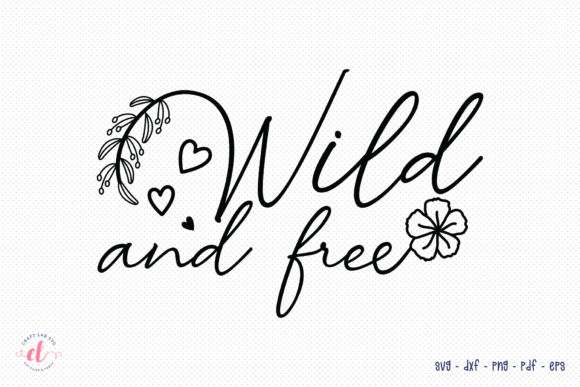
When I first opened the Wild and Free embroidery file in Adobe Illustrator, it struck me as a design that balances elegance with a sense of untamed beauty. The wildflower motif is central to the piece, flanked by a soft script quote that reads like a whispered sentiment. It feels organic—like something you might find in nature, captured through thoughtful vector art. The layout is generous, allowing for breathing room around the elements, which is especially important when considering how it will translate onto fabric.Real-World Applications: Where This Design Shines
I've used the Wild and Free design across several project types, and it consistently delivers well in certain areas. For example, on a custom embroidered tote bag for a boutique, the wildflower and quote combined beautifully with a minimalist background. The stitch density was just right—not too thick, so it didn’t overwhelm the fabric.
- Sweatshirts and T-Shirts: The design works well here, especially when placed on the front lower chest area. The flow of the wildflower complements the natural curve of the body.
- Baby Clothes and Caps: A smaller version of the design can be charming on onesies or hats. However, due to the detailed floral elements, extra attention must be paid to thread contrast and fabric choice.
- Patches and Aprons: The layered stitch options (satin and fill) give dimension and make it stand out against sturdier materials like canvas or denim.
- Nursery Decor and Holiday Gifts: The gentle, whimsical feel makes it a great fit for personalized gifts and home décor items, especially if paired with pastel threads or metallic accents.
- Etsy Listings and Boutique Branding: The design adds value to handmade products and helps establish a cohesive brand identity. It's a subtle yet recognizable asset for digital embroidery files in your design library.
Where to Use with Caution: Practical Limitations
While Wild and Free SVG, DXF, PNG, EPS, PDF is versatile, there are some limitations based on the type of embroidery project you're tackling.- Small Hoop Sizes: The design has enough detail that shrinking it too much can lose clarity. If you plan to use it on tiny patches or buttons, consider simplifying or focusing only on key elements.
- Textured Fabrics: On fabrics like corduroy or flannel, the fine lines and curves may become less defined after stitching. Testing on similar textures beforehand is a smart move.
- Thin or Stretchy Materials: Delicate fabrics such as jersey knit or thin cotton may struggle with the stitch coverage required for the intricate parts of the design. Using a proper stabilizer is essential here.
- Dark Fabric Backgrounds: While the design includes white space, the light-colored elements may not pop as intended. Always test thread colors on dark backgrounds to maintain visibility and impact.
- Curved Surfaces: When placing the design on curved areas like caps or sleeves, distortion can occur. Manually adjusting anchor points or resizing carefully can help preserve its shape.
- Products That Require Frequent Washing: Dense stitch areas may pill over time, especially if low-quality threads are used. Opt for durable, colorfast threads if the final product will see heavy use.
Impact on Product Value and Customer Perception
Using Wild and Free on a tote bag instantly elevates its appeal. Customers recognize the quality of the artwork and the care put into the stitch placement. It adds a premium feel without being over-the-top. For handmade product creators, this kind of design enhances customer trust and shows professionalism in your offerings.
The visual appeal is strong, particularly in printable mockups or digital product previews. It conveys a message of individuality and self-expression, which aligns well with personalization trends. As a result, it can increase buyer engagement and improve giftability—people love giving things that feel meaningful and handcrafted.
Embroidery Designer Notes: Making It Work for You
Before using Wild and Free SVG, DXF, PNG, EPS, PDF in any project, here are a few tips from my experience:- Test on Scrap Fabric First: Especially if you're planning to scale it up or down significantly, test it on similar material to catch potential issues early.
- Check Thread Color Contrast: Ensure the chosen colors stand out against your fabric. Sometimes a black-and-white mockup can reveal hidden problems.
- Review Stitch Density: Areas with tight clusters of stitches may need adjustment depending on the fabric thickness and end-use requirements.
- Confirm Hoop Size: Even though it scales well, the recommended hoop size isn’t listed. Always double-check based on your machine’s capabilities.
- Inspect Small Details: The floral outlines and lettering have subtle features that might not hold up on all surfaces. Don’t skip this step.
- Compare Light and Dark Backgrounds: The design adapts better to lighter tones, but it can still look great on darker fabrics with the right thread selection.
- Use Proper Stabilizer: Especially for stretchy or slippery materials. Tear-away or cut-away stabilizers can prevent puckering and misalignment.
- Check Licensing Before Selling: If you’re planning to sell finished items or digital embroidery files, confirm whether the license allows for commercial use.