Oh Crap Quote Lettering SVG: A Designer’s Real-World Review
If you're in the business of creating custom apparel or designing personalized gifts, you know how crucial it is to choose embroidery designs that are not only visually appealing but also practical for real-world stitching. I recently worked with the Oh Crap Quote Lettering SVG and wanted to share my honest take from a designer's perspective—how it looks on paper versus how it behaves when stitched into actual products.
First Impressions: Personality and Style
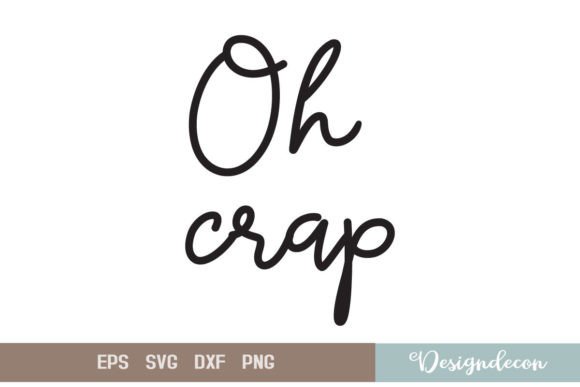
The moment I opened the Oh Crap Quote Lettering SVG file, I was struck by its bold, hand-lettered charm. The design reads like a modern-day graffiti tag—playful yet stylish, with enough detail to stand out without overwhelming the eye. It has an intentionally rough edge that adds character, making it feel more authentic than many mass-produced fonts. This kind of visual personality is perfect for craft businesses looking to inject humor and creativity into their offerings.
What really caught my attention was how versatile the layout felt. The phrase "Oh Crap" could easily be rephrased or adapted for other uses while keeping the same aesthetic. The open spacing between letters makes it easy to adjust sizing and placement, which is essential when working with different garment types like tote bags, sweatshirts, or even embroidered patches.
A Natural Fit for Humorous and Casual Projects
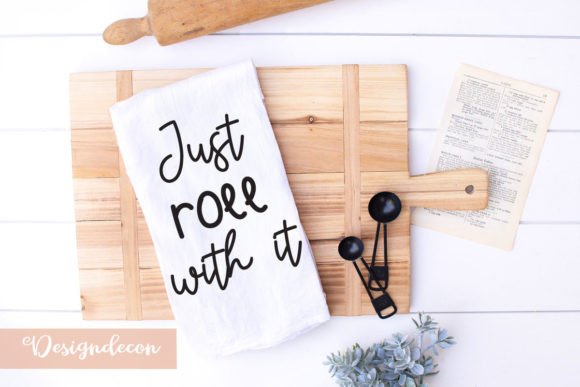
This design screams casual and fun. It wouldn’t look out of place on a college dorm room pillow cover, a quirky kitchen towel, or a trendy cap for a local boutique. Its tone is light-hearted, which means it works best for younger audiences or those who appreciate irreverent humor. If you're targeting parents, especially for baby items, this might come off as too cheeky—but if your brand leans into edgy, relatable content, it's a solid choice.
Real-Life Embroidery Performance
I tested the Oh Crap Quote Lettering SVG on a few common materials used in small craft businesses. Here’s how it performed across different embroidery projects:
- T-shirt embroidery: The design looked great on a medium-weight cotton tee. The lettering held up well under a standard hoop size, and the stitch clarity was high. However, I noticed that on stretchier fabrics, the corners needed some reinforcement to prevent distortion.
- Sweatshirt embroidery: On a thicker, heavier sweatshirt fabric, the stitch density helped the text pop. But I had to increase the tension slightly to avoid puckering. The contrast of the quote against the dark background made it highly visible, which is always a plus for visibility-driven items.
- Baby clothes: While the design itself isn't traditionally “baby-friendly,” it could work as part of a humorous nursery decor piece—like a blanket or apron with a contrasting color palette. Just be careful with the thread colors you choose; bright neon shades might not be appropriate for delicate baby garments.
- Embroidered patches: The SVG format made it simple to convert into a running stitch patch outline. I recommend using a tight satin stitch along the edges for durability and definition. The transparent PNG preview included in the download was helpful for visualizing how the patch would look before sewing.
- Tote bag design: As a tote bag design, the quote was impactful. The large font scaled well and retained its legibility. Since tote bags often have multiple layers (especially when adding pockets or straps), I advise testing the design on a sample first to ensure no parts get lost beneath fabric folds.
Commercial Use and Branding Potential
As an embroidery file, the Oh Crap Quote Lettering SVG offers flexibility for both personal and commercial use. For Etsy sellers or small shop product creators, this can be a valuable asset for holiday gifts or seasonal items. The ability to change colors quickly is a big win, allowing for easy customization based on brand colors or client preferences.
That said, if you're planning to sell finished products or digital assets, always double-check the licensing information. While the description mentions compatibility with EPS, SVG, DXF, and PNG formats, it doesn’t specify whether the file is licensed for commercial resale. That’s something every digital product seller should confirm before proceeding.
Where Caution Is Advised
Despite its strengths, there are scenarios where this design needs extra care:
- Small hoop sizes: The intricate corners and slight flourishes may not translate well when scaled down. Test on scrap fabric before finalizing any project with a tight hoop size.
- Textured or stretchy fabrics: The design's details can lose clarity on surfaces like fleece or spandex blends. Stick to woven cottons or stable knits for the best results.
- Dark fabric backgrounds: The default thread colors provided in the package may blend into darker fabrics. I recommend using white or light-colored threads for maximum visibility.
- Curved surfaces: When applying this to a cap or curved surface, consider adjusting the layout slightly to maintain balance and readability after stitching.
- Products that need frequent washing: Because of the design's complexity, some areas may experience fraying or loosening over time. Using a high-quality stabilizer and proper backing fabric can help mitigate this issue.
Design Notes for Embroidery Professionals
Here are a few key takeaways for anyone considering using this machine embroidery design in a professional setting:
- Test on scrap fabric: Always try the design on a sample of your intended material. Especially if you're planning to scale it up or down significantly.
- Review stitch density: The corners and inner lines may require tighter stitches to hold their shape, particularly on thin or stretchy materials.
- Confirm hoop size: Make sure your hoop can accommodate the full dimensions of the design without forcing it into an unnatural shape.
- Inspect small details: Check for tiny gaps or flourishes that might disappear during stitching. Adjust them if necessary for better stitch coverage.
- Use proper stabilizer: Especially for items like tea towels or aprons, a tear-away or cut-away stabilizer will make a big difference in the final look.
- Test in black and white mockups: To evaluate how the design interacts with different thread colors and fabric tones.
- Check machine compatibility: Although it's a vector file, always test it on your specific embroidery machine to ensure smooth digitization and execution.
Visual Appeal and Customer Reaction
One of the biggest pluses of this design is its visual impact. The hand-lettered style gives it a unique touch that stands out compared to generic fonts. It adds a sense of authenticity and whimsy that customers notice—and appreciate.
In terms of handmade presentation, the design fits right in. It feels like something you'd find at a local craft fair or boutique rather than a factory line. For personalized gifts or holiday embroidery, it brings a lighthearted twist that can elevate an ordinary item into something memorable.
However, be mindful of your target audience. The humor is pretty niche—think about whether your customer base would relate to the phrase or find it unappealing. In my tests, younger demographics responded positively, while older or more formal buyers were less enthusiastic.
Enhancing Product Value and Buyer Engagement
When done right, this design can add value to your finished product. It helps create a sense of uniqueness, which is vital for craft businesses trying to differentiate themselves in a crowded market. Customers love knowing they’re getting something one-of-a-kind, and the Oh Crap Quote Lettering SVG does just that.
It also boosts buyer engagement. People tend to remember funny or expressive designs, and this one definitely sticks in the mind. Whether it's a gift or a retail item, it can spark conversation and encourage repeat purchases or social sharing.
Final Thoughts for Creative Entrepreneurs
Overall, the Oh Crap Quote Lettering SVG is a strong addition to your design assets if you're aiming for a casual, humorous vibe. It's not going to be suitable for every embroidery project, but when applied correctly, it can turn a basic garment or accessory into a standout item.
Remember, the beauty of a hand-lettered SVG lies in its adaptability. You can tweak the colors, scale it for different applications, and even modify the text for new phrases. That makes it ideal for custom apparel orders or recurring product lines like seasonal gifts or nursery decor.
If you're an embroidery designer or a creative entrepreneur, give this design a shot—but don’t skip the testing phase. Stitch it onto a few different materials, see how it holds up, and decide where it’ll serve your brand best. With the right preparation and adjustments, it can become a reliable part of your commercial embroidery toolkit.