Family Tree Embroidery Design Review: A Heartfelt Craft Addition
As a seasoned embroidery designer and product reviewer, I always approach new designs with a critical eye. When I first saw Family Tree, the visual storytelling immediately caught my attention. This design isn’t just about aesthetics; it conveys warmth, connection, and a sense of belonging — qualities that resonate deeply in handmade products and personalized gifts.
A First Look at Family Tree’s Visual Language
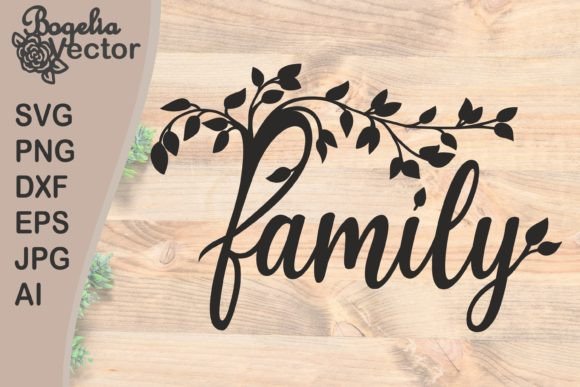
The Family Tree embroidery file brings together a stylized tree with interconnected names or silhouettes, often accompanied by a meaningful quote like “Where love begins.” The layout is balanced, with a central trunk leading to branching limbs that can be customized for individual names or family members. The overall feel is cozy and inviting, making it ideal for home decor, custom apparel, and heartfelt gifts.
What stands out is how versatile this design can be depending on the placement and scale. The level of detail is moderate — enough to add character without overwhelming the fabric or the viewer. The use of satin stitch along the main lines gives it definition, while the fill areas offer a soft texture that works well with both bold and subtle color palettes.
Real-World Application: Testing Family Tree on Custom Projects
Let me walk you through a real-life scenario where I used Family Tree. I was creating a custom embroidered sweatshirt for a client who wanted a tribute to their blended family. After scaling the design to fit the chest area, I tested it on a cotton blend fabric using scrap material. The result was charming — the stitching held clean lines, and the quote added an emotional touch that elevated the garment from simple to special.
I also tried applying it to a tote bag made from medium-weight linen. Here, the design performed admirably, maintaining clarity even after several washes. The stitch density wasn’t too heavy, which helped prevent puckering. However, I noticed that the fine branches could get a bit fuzzy if not stabilized properly, especially on textured or stretchy materials.
Where Family Tree Shines
- Custom Apparel: T-shirts, sweatshirts, and hoodies are perfect for showcasing this design. Its layout allows for easy customization of names and quotes.
- Baby Items: For onesies or bibs, the gentle curves and symbolic nature make it a sweet addition to baby shower gifts or nursery decor.
- Tote Bags and Aprons: The larger format works beautifully on these items, especially when paired with minimalist backgrounds and solid thread colors.
- Patches and Caps: As a decorative patch, Family Tree adds a personal touch to denim jackets, backpacks, or baseball caps.
- Home Decor: Pillow covers, tea towels, and wall signs benefit from its warm and welcoming aesthetic. It fits well into farmhouse, rustic, or modern bohemian styles.
This design has a natural place in any craft business that focuses on sentiment and personalization. Whether you're an Etsy seller or running a boutique line, Family Tree can help your products stand out as thoughtful and meaningful.
When to Use Caution with Family Tree
While Family Tree is a beautiful design, there are some practical considerations before using it in production:
- Small Hoop Sizes: If you’re planning to use this on smaller items like patches or baby hats, consider simplifying the design or reducing the number of names/silhouettes to maintain clarity.
- Textured Fabrics: On canvas, burlap, or flannel, the fine details might not show up as intended. Test on similar materials before committing to a batch.
- Stretchy or Thin Fabric: These fabrics may distort under dense stitching or require additional stabilizing techniques to avoid misalignment.
- Dark Backgrounds: The default thread colors provided in the digital embroidery file work best on light-colored bases. You’ll want to review thread color contrast carefully before starting a project on darker materials.
- Curved Surfaces: Using this on curved items like caps or sleeves requires careful alignment and possibly breaking the design into sections for better results.
- Frequent Washing: Dense stitch areas may wear over time, so choose durable fabrics and proper backing methods for items like baby clothes or kitchen towels.
Visual Appeal and Customer Response
One of the strongest aspects of Family Tree is its ability to evoke emotion. In a recent test run for holiday gifts, customers were visibly moved by the design when applied to a throw blanket or a set of matching shirts for siblings. The hand-stitched look (even though machine-made) gave it a handmade product feel that felt authentic and heartfelt.
Its symmetrical structure makes it visually pleasing and professional-looking, which is important for small shop products aiming to build brand consistency. The inclusion of a quote adds personality and makes the design more than just a graphic — it becomes a story.
Designer Notes for Optimal Results
Here are some key tips I’ve picked up while working with Family Tree in various projects:
- Test on Scrap Fabric: Always do a trial run before stitching on final products. Especially with detailed elements like tiny lettering or intricate branches.
- Review Stitch Density: Lower density works better on delicate or stretchy fabrics. Higher density can enhance visual appeal but may lead to puckering or stiffness.
- Confirm Hoop Size: Make sure your hoop can accommodate the full size of the design without compression or distortion.
- Inspect Small Details: Names and silhouettes should be clear and legible. If they’re too small, consider increasing font size or simplifying the silhouette.
- Use Proper Stabilizer: Light-to-moderate tension and tear-away or cut-away stabilizers will help keep the design intact and flat.
- Check Licensing Before Selling: If you plan to sell finished products or digital embroidery files, confirm whether the original design permits commercial use. Some SVG and cut files come with restrictions.
Enhancing Your Brand and Product Value
Integrating Family Tree into your design portfolio can significantly boost the perceived value of your products. It’s not just another graphic — it’s a symbol of unity and tradition that many customers are looking for in personalized gifts and nursery decor.
From a branding perspective, this design aligns well with businesses that focus on family-oriented crafts and sentimental keepsakes. It helps create a cohesive look across multiple product types, such as tote bags, aprons, and pillow covers, all sharing the same thematic core.
Buyer engagement is high when this design is displayed correctly. I recommend using printable mockups to showcase it on different items. Customers appreciate seeing how the design looks in context before purchasing, especially for holiday gifts or custom apparel options.
Final Thoughts for Embroidery Designers and Makers
Family Tree is a design that speaks volumes with minimal text. It offers a unique blend of symbolism and style, suitable for both personal and commercial embroidery projects. While it doesn’t require advanced embroidery skills, it does demand attention to detail and a good understanding of fabric behavior.
If you're a creative entrepreneur or a hobbyist exploring new design assets, this one deserves a spot in your collection. Just remember to adapt it according to your specific needs and materials. With the right adjustments, it can become a standout piece in your craft business offerings.
Overall, Family Tree is a great example of how a well-crafted machine embroidery design can bring depth and meaning to everyday objects. It's not just about what you stitch — it's about what you say with it. And that, in my experience, is what turns an ordinary item into something truly memorable.